I enjoyed the look at EMERGE in the Park City, especially the local details and atmosphere. When I have some free time, I usually switch to Subway Surfers Online for a quick run, and it’s always an easy way to relax and have some fun.
Mastering a difficult chart feels less like winning a game and more like learning a new skill in FNF. Jump into a song and discover how rewarding persistence can be.
This was a very engaging and insightful post that explained the topic in a clear and student-friendly way. I really liked how the author broke down complex ideas into simple explanations, making the content easy to understand. As a postgraduate student, I often read educational blogs like this to improve my research and writing skills. During the dissertation process, many students also look for dissertation writing help to better understand research structure, referencing, and academic expectations. Posts like this provide valuable guidance and encourage students to approach their research with greater confidence.
This was a very engaging and insightful post that really highlighted the importance of managing time effectively. I liked how the author explained ideas in such a simple and relatable way, making it easy to connect with real student experiences. As a student handling multiple deadlines, I often read blogs like this for motivation. During stressful periods, many learners also look for Last Minute Assignment Help to stay on track and meet tight deadlines. Posts like this provide both clarity and encouragement, helping students stay focused even under pressure.
The article’s description of how Park City integrates training modules directly into emergency response simulations provides a practical insight into community preparedness education. The mention of scenario-based learning, particularly the wildfire response drill, gives students a concrete example of applied emergency management. Such experiential models resonate with the structured learning principles reinforced by New Assignment Help which emphasises the value of real-world, data-driven training environments. I appreciated the article’s attention to interagency collaboration as a core competency. It makes me wonder how training programs can measure the long-term impact of cross-department coordination and whether simulation platforms could be expanded to include psychological resilience elements for responders.


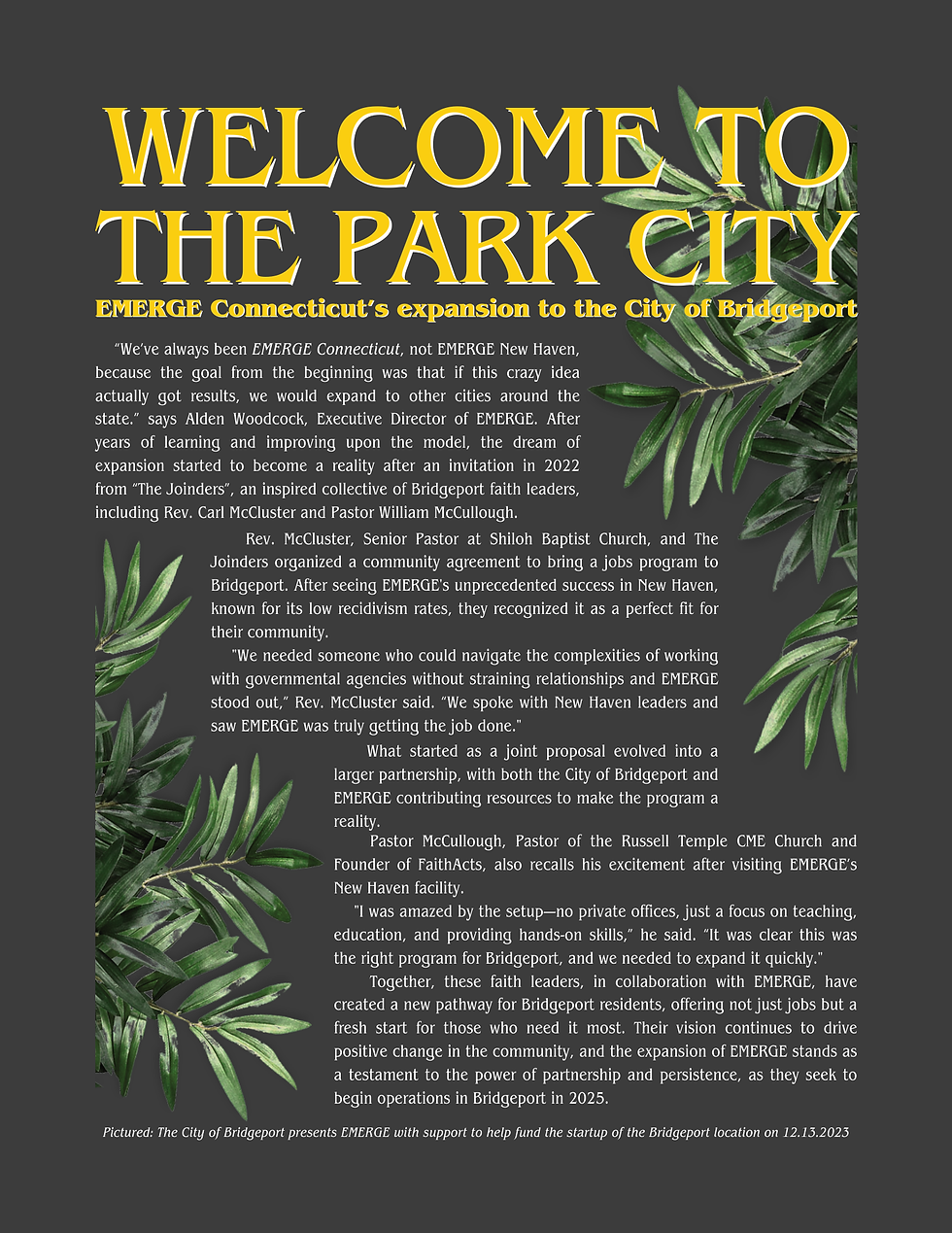


I enjoyed the look at EMERGE in the Park City, especially the local details and atmosphere. When I have some free time, I usually switch to Subway Surfers Online for a quick run, and it’s always an easy way to relax and have some fun.
Mastering a difficult chart feels less like winning a game and more like learning a new skill in FNF. Jump into a song and discover how rewarding persistence can be.
This was a very engaging and insightful post that explained the topic in a clear and student-friendly way. I really liked how the author broke down complex ideas into simple explanations, making the content easy to understand. As a postgraduate student, I often read educational blogs like this to improve my research and writing skills. During the dissertation process, many students also look for dissertation writing help to better understand research structure, referencing, and academic expectations. Posts like this provide valuable guidance and encourage students to approach their research with greater confidence.
This was a very engaging and insightful post that really highlighted the importance of managing time effectively. I liked how the author explained ideas in such a simple and relatable way, making it easy to connect with real student experiences. As a student handling multiple deadlines, I often read blogs like this for motivation. During stressful periods, many learners also look for Last Minute Assignment Help to stay on track and meet tight deadlines. Posts like this provide both clarity and encouragement, helping students stay focused even under pressure.
The article’s description of how Park City integrates training modules directly into emergency response simulations provides a practical insight into community preparedness education. The mention of scenario-based learning, particularly the wildfire response drill, gives students a concrete example of applied emergency management. Such experiential models resonate with the structured learning principles reinforced by New Assignment Help which emphasises the value of real-world, data-driven training environments. I appreciated the article’s attention to interagency collaboration as a core competency. It makes me wonder how training programs can measure the long-term impact of cross-department coordination and whether simulation platforms could be expanded to include psychological resilience elements for responders.